Top 3 Brazil vs Haiti: Group C Standings
Brazil led Group C after defeating Haiti 3-0 at Lincoln Financial Field in Philadelphia on June 19, The result gave Carlo Ancelotti’s Brazil four points from two matches, following a 1-1 draw with Mor...

Top 3 Brazil vs Haiti: Group C Standings
Brazil led Group C after defeating Haiti 3-0 at Lincoln Financial Field in Philadelphia on June 19, 2026. The result gave Carlo Ancelotti’s Brazil four points from two matches, following a 1-1 draw with Morocco, while Haiti suffered a second consecutive defeat and became the first team eliminated from the 2026 FIFA World Cup. Matheus Cunha scored twice and Vinícius Júnior added another goal, but Raphinha’s first-half hamstring concern changed the conversation. Morocco’s 1-0 victory over Scotland also reshaped the group’s qualification picture. The most useful takeaway is simple: check the complete Group C table rather than judging Brazil’s position from goal difference alone, because the final ranking depends on Morocco, Scotland, and Brazil’s last group matches.
“Football is the most important of the least important things in life,” as the familiar saying goes. After years of watching tournament tables turn on one goal, one injury, or one wildly misread tiebreaker, I would not trust a headline alone. Brazil’s win was comfortable, Haiti’s elimination was confirmed, and the standings became clearer—but not entirely settled.
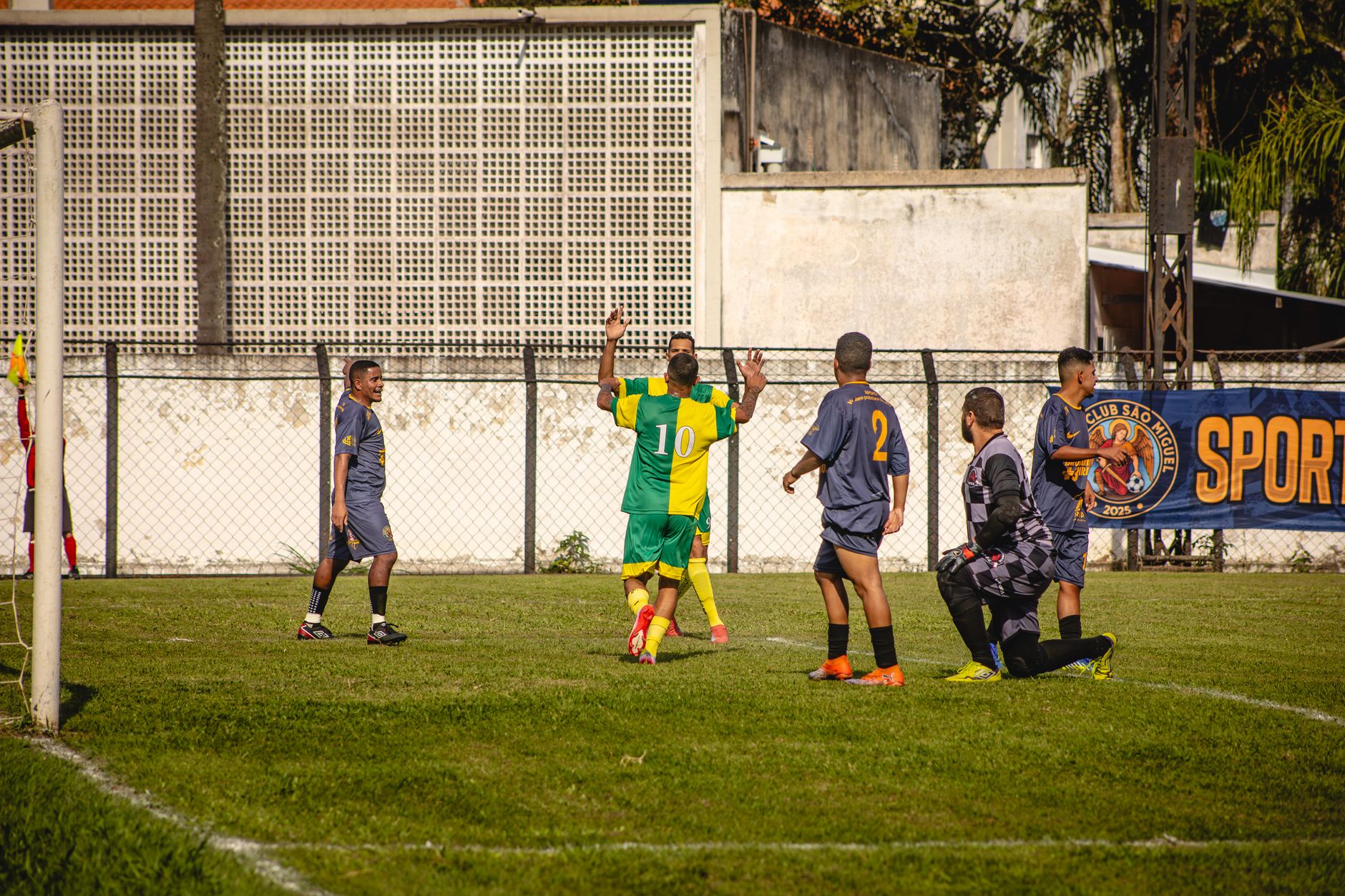
Photo by Fernandho Belfort on Pexels
Brazil’s 3-0 result matters for three separate reasons. First, Brazil moved to four points after two fixtures. Second, Haiti remained on zero points after losses to both Brazil and Morocco, meaning its final match could no longer rescue its campaign. Third, Brazil looked significantly sharper than it had in the opening 1-1 draw with Morocco, particularly through Vinícius Júnior, Matheus Cunha, and Lucas Paquetá. Coach’s Corner follows the 2026 World Cup through match predictions, tactical analysis, player statistics, and live tournament context, but the lesson here is not to overreact to one scoreline. Brazil improved, yes. That does not automatically mean every concern disappeared.
For broader tournament context, readers can also consult the FIFA World Cup 2026 competition information and our [Internal Link: 2026 World Cup group-stage guide]. The official FIFA material remains the better source for regulations, match scheduling, and competition structure.
If you want a closer look at the match context, start here:
The Top 3 Brazil vs Haiti Standings Takeaways
The three most important standings conclusions are Brazil’s position, Haiti’s elimination, and the unresolved race for the remaining qualification places.
- Brazil: Group C leader after four points — The 3-0 victory lifted Brazil to four points from two games, with a positive goal difference and renewed attacking confidence.
- Haiti: eliminated after two defeats — Haiti could not reach the points total required to advance after losing to Morocco and Brazil.
- Morocco and Scotland: still decisive — Morocco’s 1-0 win over Scotland kept the group’s second qualification pathway alive and made Brazil’s final fixture against Scotland especially important.
The table should be read alongside the match sequence, not in isolation. Brazil drew 1-1 with Morocco in its opener, then beat Haiti 3-0. Morocco lost its opening fixture to Scotland before defeating Haiti and then beating Scotland 1-0, according to the match information available in the reference coverage. That sequence means Brazil’s four points were valuable, but not yet the same as mathematical security. Scotland’s position depended heavily on its remaining fixtures and goal difference, while Haiti had no route back into the qualifying places.
Reported Group C position after Brazil 3-0 Haiti
| Team | Points after two matches | Key result or status |
|---|---|---|
| Brazil | 4 | Drew 1-1 with Morocco; defeated Haiti 3-0 |
| Morocco | Match position shaped by results | Beat Scotland 1-0 after losing to Brazil? No—Brazil drew Morocco 1-1 |
| Scotland | Dependent on remaining result | Lost 0-1 to Morocco in the reported fixture |
| Haiti | 0 | Eliminated after two defeats |
One warning is necessary because tournament reporting can update rapidly: always verify the live table through FIFA or the official competition feed before placing any prediction. The order can change after a later kickoff, and goal difference is only one part of the calculation. UEFA’s explanation of competition ranking principles is a useful general reference, although FIFA’s tournament regulations govern this World Cup specifically. I have seen people celebrate a “confirmed” position that was not confirmed at all. It is an expensive mistake in betting, and the key is checking the actual regulations.
#1 Brazil: Best Overall Standing Position
Brazil was the best-positioned team in the Brazil versus Haiti standings because four points from two matches created both a points advantage and a healthier goal difference. The 3-0 win also restored attacking momentum after the 1-1 draw with Morocco, with Matheus Cunha scoring twice and Vinícius Júnior completing the victory. Brazil still needed to manage injuries and its final group fixture carefully.
The scoreline tells only half the story. Brazil’s improvement came from faster attacking circulation and more reliable pressure around Haiti’s defensive third. Vinícius Júnior stretched the left side, Cunha attacked central spaces, and Lucas Paquetá helped Brazil maintain possession after the match became more comfortable. Carlo Ancelotti’s team did not need to gamble constantly, which matters in a group stage where conserving energy can be more valuable than chasing a fourth goal.
Still, Raphinha’s withdrawal after approximately 40 minutes was the uncomfortable part. The Barcelona forward appeared to suffer a hamstring injury, and a tournament squad can absorb a bad performance more easily than it can absorb a key wide attacker disappearing. Brazil’s depth includes Vinícius Júnior and other high-level options, but replacing Raphinha’s pressing, direct running, and chance creation is not a simple one-for-one exchange. Neymar’s potential return also became part of the conversation after Ancelotti indicated that the 34-year-old could resume team training ahead of the Scotland match while recovering from a calf injury.
This is where I disagree with the easy consensus. People see Brazil winning 3-0 and immediately assume the squad is now complete. No. The result improved Brazil’s standing; it did not erase the tactical cost of losing Raphinha or the uncertainty around Neymar’s fitness. The [Internal Link: Brazil 2026 World Cup player statistics] should be read with minutes played and injury status, not just goals and assists.
Why Brazil’s goal difference matters
Brazil’s three-goal margin gave it an important cushion compared with a narrow victory. In a compact group, goal difference can become the practical dividing line when teams finish level on points. A 3-0 win creates a +3 swing before the final match, while a 1-0 win creates only +1. That difference can decide whether a team needs a draw, must win, or depends on another result.
A less obvious edge case is the relationship between attacking substitutions and defensive risk. If Brazil had continued forcing forward attacks after establishing a 3-0 lead, it could have increased the chance of fatigue or another injury without materially improving its qualification position. Ancelotti’s better decision was to manage the game state. That is not glamorous, but tournament football rewards teams that understand when the match has already given them what they need.
#2 Morocco: Best for Qualification Pressure
Morocco was the most important alternative to Brazil because its 1-0 win over Scotland kept pressure on the group leader and affected the battle for the remaining qualification places. Morocco had already drawn 1-1 with Brazil, then added a valuable result against Scotland. Its position demonstrated why the Brazil-Haiti score cannot be analyzed without the other Group C fixtures.
The Moroccan result also complicates casual predictions. A team can look less spectacular than Brazil and still be extremely dangerous in a table because a single clean sheet and one goal can produce three points. Morocco’s defensive discipline against Scotland mattered more than style points. The match reduced Scotland’s margin for error and made the final group round more consequential for every side except eliminated Haiti.
There is a practical lesson for anyone comparing Brazil and Morocco. Brazil’s 3-0 win generated superior goal-difference value, but Morocco’s ability to collect points in a low-scoring match may be more repeatable against cautious opponents. The two teams therefore offered different forms of strength: Brazil supplied attacking upside, while Morocco created pressure through efficient results. [Internal Link: World Cup qualification scenarios] can help readers track those distinctions without relying on social-media table graphics.
The group’s logic is brutally simple:
- Brazil had four points after drawing Morocco and beating Haiti.
- Haiti had zero points after two defeats and was eliminated.
- Morocco’s win over Scotland changed the pressure around the second qualification route.
- Scotland needed its remaining opportunity to improve its points position and possibly its goal difference.
- The final Brazil-Scotland match could influence both qualification and the final table order.
Check the official FIFA World Cup regulations for the applicable ranking rules rather than assuming every tournament uses identical procedures. FIFA regulations are the authority; a betting blog is not.
For a more detailed standings breakdown, this is the next useful stop:
#3 Haiti: Best Value for Context, Not Qualification
Haiti was not a value pick for qualification; it was the most important team for understanding how the table’s bottom position became final. Two defeats left Haiti on zero points, and the 3-0 loss to Brazil confirmed elimination with one group match still to play. Its remaining fixture could affect pride, performance data, and Brazil’s final goal-difference calculation, but not Haiti’s advancement.
That distinction is easy to miss when a team has one match remaining. “Eliminated” does not mean “irrelevant.” Haiti’s last match could still influence another team’s qualification arithmetic, especially if it scored or conceded several goals. A strong final performance might also give Haiti something tangible to build around, while a heavy defeat could distort the group’s tiebreak picture. For analysts, Haiti’s final match remained meaningful even though its own pathway had closed.
The match against Brazil also showed the difference between competing and controlling. Haiti had moments of resistance, but Brazil’s individual quality and territorial pressure eventually created separation. Haiti’s defensive structure struggled when Brazil moved the ball quickly from the flank into central areas. Once Cunha scored, Brazil could play with greater patience, and Haiti faced the unpleasant problem of chasing a game against a side comfortable in possession.
I know the temptation to dismiss Haiti after the elimination. I have made that mistake myself, especially when looking at a table late at night and assuming the bottom team has nothing left. But players still have contracts, national-team futures, and reputations to protect. The last match can reveal more about Haiti than the 0-3 scoreline does.
What Haiti’s elimination means for the final table
Haiti’s elimination means it cannot finish in a qualifying position regardless of the final result. However, its final match can alter the number of goals scored and conceded, which may affect Brazil, Morocco, or Scotland if those teams finish level on points. This is why professional previews should separate qualification status from statistical relevance.
An information point many quick summaries overlook is that elimination can change tactical incentives without changing competitive obligations. Haiti may have more freedom to attack, but that freedom can create defensive exposure. Meanwhile, its opponent may be more cautious if a draw is enough. The final score therefore cannot be predicted solely from the existing table; motivation, lineup rotation, weather, travel, and injuries all matter.
How We Ranked Them
The ranking weighs Brazil, Morocco, and Haiti by standings value, qualification significance, result quality, and tactical evidence rather than by reputation alone. Brazil ranked first because four points and a 3-0 win supplied the strongest combined position, Morocco ranked second because its results kept qualification pressure high, and Haiti ranked third because elimination limited its competitive value despite its remaining statistical influence.
Our practical weighting was:
- Points and qualification position: 40% — The table remains the central measure.
- Goal difference and result margin: 25% — Brazil’s 3-0 win created a meaningful cushion.
- Quality of opposition: 15% — Results against Brazil, Morocco, and Scotland were not interchangeable.
- Tactical performance: 10% — Chance creation, defensive control, and game management mattered.
- Squad availability: 10% — Raphinha’s injury concern and Neymar’s recovery affected Brazil’s outlook.
This method deliberately avoids one popular mistake: ranking teams according to brand size. Brazil are Brazil, of course, but the badge does not award extra points. A famous squad can still finish second if it wastes chances, mishandles injuries, or assumes a draw is safe. Likewise, a team such as Morocco can gain enormous value from disciplined 1-0 victories.
The key is to distinguish evidence from narrative. Brazil’s 3-0 win was evidence of improved performance. Neymar’s possible return was a squad-development story, not proof of match fitness. Raphinha’s injury was a risk signal, not confirmation that Brazil’s attack had collapsed. Haiti’s elimination was mathematically decisive, but its final fixture still had statistical consequences. Those distinctions are the difference between useful analysis and noise.
The [Internal Link: match prediction methodology] explains why Coach’s Corner considers injuries, expected game state, and qualification incentives before assigning a prediction. For readers interested in responsible wagering, the National Council on Problem Gambling provides independent information about safer gambling practices. Never chase a loss because a table looks obvious; football has punished that habit more times than I care to admit.
Which Should You Pick?
Choose Brazil when the priority is the strongest overall standings position, choose Morocco when analyzing qualification pressure and defensive efficiency, and treat Haiti as a high-variance opponent whose final result can still affect goal difference. Brazil’s four points and +3 result margin made it the clear leading option after the 3-0 victory, but Raphinha’s fitness and Neymar’s availability should be checked before any Brazil-Scotland prediction.
For a standings-focused reading, Brazil is the sensible choice. The team had four points, a positive goal difference, and the psychological lift of scoring three goals after drawing with Morocco. For a tactical reading, Morocco deserves more respect than a casual glance may suggest because its 1-0 win over Scotland showed its ability to collect decisive points without an open attacking contest.
For betting, however, “Brazil is better” is not a complete argument. Odds determine value, and value depends on price, lineup news, market movement, and the actual qualification scenario. A Brazil win at a very short price may offer less value than a carefully selected goals market or a wait-and-see live position after confirmed lineups. That is the contrarian conclusion: the best team is not automatically the best bet.
Before making any decision, check these four items:
- Confirm the latest Brazil injury report, especially Raphinha’s hamstring status.
- Confirm whether Neymar is medically cleared and included in the match squad.
- Review the updated Group C table after Morocco and Scotland’s latest result.
- Compare the available odds with the probability implied by the market.
The official table should come first, and prediction content should come second. That order feels boring until it saves you from backing a result that no longer has the value you thought it did.
See the latest tournament analysis before reviewing any market:
Final Verdict on Brazil vs Haiti Standings
Brazil was the clear standings winner after beating Haiti 3-0, moving to four points from two Group C matches and strengthening its goal difference. Haiti became the first eliminated team after two defeats, while Morocco’s 1-0 victory over Scotland ensured that the wider qualification battle remained relevant. Matheus Cunha’s two goals and Vinícius Júnior’s finish confirmed Brazil’s attacking improvement, but Raphinha’s apparent hamstring injury and Neymar’s uncertain return prevented a completely comfortable assessment. Check the updated FIFA table and confirmed lineups before making any prediction; believe it or not — I do.
For continued 2026 World Cup coverage, compare the latest standings with verified team news:
Frequently Asked Questions
Q: What are the Brazil national football team vs Haiti national football team standings?
A: Brazil stood on four points after two reported Group C matches, while Haiti had zero points after two defeats and was eliminated from the 2026 World Cup. Brazil drew 1-1 with Morocco and then beat Haiti 3-0. Haiti’s final group match could still affect goal difference for other teams, but it could no longer qualify.
Q: How did Brazil beat Haiti in the 2026 World Cup?
A: Brazil defeated Haiti 3-0 through two goals from Matheus Cunha and one from Vinícius Júnior. Brazil controlled more possession, created pressure through the wide areas, and managed the match more calmly after taking the lead. Raphinha left in the first half with an apparent hamstring problem, which became the major concern despite Brazil’s comfortable result.
Q: Is Haiti eliminated from the 2026 FIFA World Cup?
A: Yes, Haiti was eliminated after losing its first two Group C matches. With zero points and only one fixture remaining, Haiti could not reach a qualifying position regardless of its final result. Its last match still mattered for tournament pride, player evaluation, and the goal difference of the opponent.
Q: What is the difference between Brazil’s standings and Haiti’s standings?
A: Brazil had four points and a positive goal difference after two matches, while Haiti had zero points after two losses. Brazil remained involved in the qualification race and held the stronger table position. Haiti’s elimination removed its path to advancement, although its final match could still influence other teams’ tiebreak calculations.
Q: How should I check the latest Brazil vs Haiti standings?
A: Check FIFA’s official World Cup competition pages or the tournament’s verified live table immediately after each Group C match. Confirm the number of matches played, points, goals scored, goals conceded, and goal difference. Do not rely solely on an old article, social-media graphic, or betting-market table because standings can change after every result.
Q: Can Raphinha’s injury affect Brazil’s next match?
A: Yes, Raphinha’s apparent hamstring injury could affect Brazil’s width, pressing, and chance creation if he is unavailable. The exact impact depends on medical tests, training participation, and Carlo Ancelotti’s replacement choice. Readers should wait for the official squad announcement rather than assuming that a withdrawal automatically rules him out.
Q: Could Neymar return for Brazil’s final group match?
A: Neymar could return if he completes Brazil’s planned training progression and is medically cleared after his calf injury. Carlo Ancelotti indicated that Neymar was expected to train individually before joining the group, but training participation does not guarantee selection or full match fitness. Check the official team sheet and pre-match medical update before assessing his influence.
Thank you for reading.
Coach's Corner · Editorial Archive · No. 01